

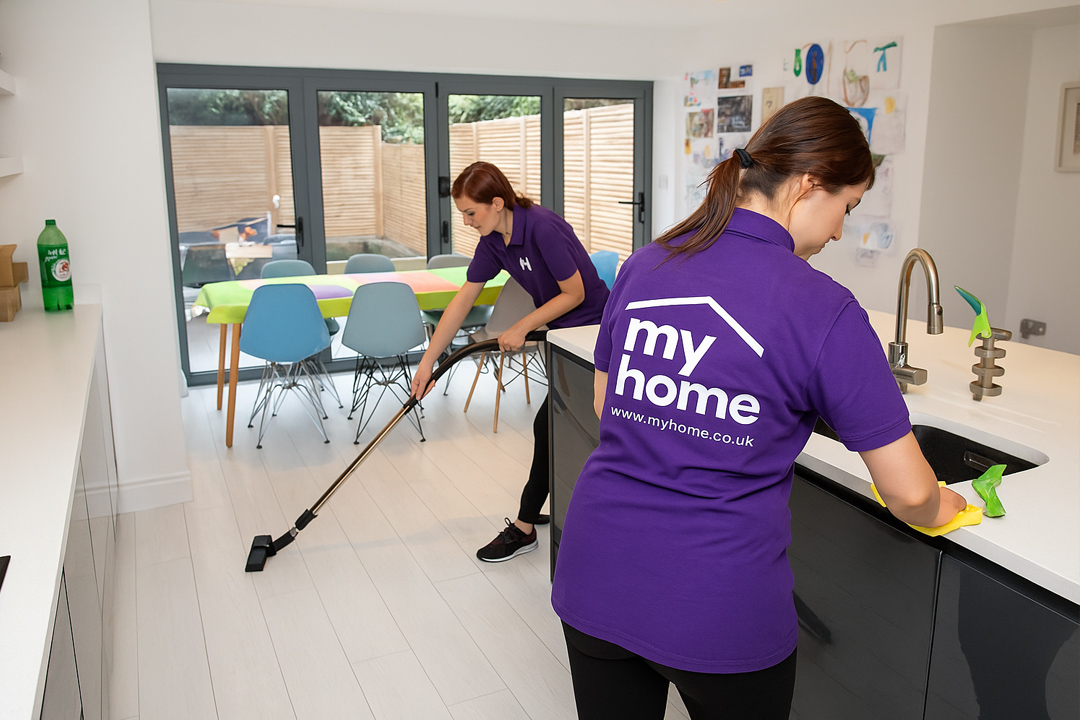
If you or a family member suffers from seasonal or year-round allergies, you’ll know how disruptive they can be. Sneezing, itchy eyes, congestion, and even fatigue can all be triggered by allergens hiding in plain sight throughout your home. The good news? A focused cleaning routine can dramatically improve your indoor air quality and help ease allergy symptoms – making your home a healthier and more comfortable space to live in.
Below, we’ve gathered some practical cleaning tips specifically aimed at reducing allergens like dust mites, pet dander, mould, and pollen.
1. Dust Smarter, Not Harder
Dusting is key – but how you dust matters. Dry dusting can stir up allergens and send them airborne. Instead, use a damp microfibre cloth that traps particles rather than redistributing them. Pay special attention to:
- Skirting boards
- Window sills
- Blinds and curtains
- Ceiling fans and light fittings
- The tops of wardrobes and shelves
Dust weekly, and don’t forget to wipe down electronic equipment which tends to attract dust like a magnet.
2. Vacuum with a HEPA Filter
Not all vacuums are created equal. Choose one with a HEPA filter – this high-efficiency filter traps fine particles such as pollen, pet hair, and dust mites instead of blowing them back into the air. Make sure to vacuum carpets, rugs, upholstery, and mattresses at least once a week, more often if you have pets.
3. Control Pet Dander
Pets bring joy, but they also bring allergens. Bathe your pets regularly and brush them outdoors to minimise shedding. Consider keeping them out of bedrooms, and wash their bedding frequently. Using a lint roller on furniture and bedding can also help keep stray fur at bay between vacuum sessions.
4. Tackle Mould at the Source
Mould thrives in warm, damp environments – especially in bathrooms, kitchens, and around windows. Use mould-killing sprays (preferably eco-friendly) on tiles, grout, and any problem areas. Keep spaces well-ventilated and use dehumidifiers where necessary to maintain optimal humidity levels (ideally between 40–60%).
5. Wash Bedding Frequently
Bedding collects dust mites, skin cells, and pollen. Wash pillowcases, sheets, and duvets in hot water (60°C or above) at least once a week to eliminate allergens. Hypoallergenic covers for pillows and mattresses can also create an extra barrier of protection.
6. Shoes Off at the Door
Pollen and outdoor allergens can be tracked into the home on your shoes. By establishing a no-shoes policy indoors, you’ll reduce the spread of particles that can settle in carpets and furniture.
7. Clean Air Means Clean Living
An air purifier with a HEPA filter can dramatically reduce airborne allergens, especially in bedrooms and living areas. Make sure to keep vents, fans, and air conditioning filters clean and change them regularly to prevent circulation of dust and spores.
8. Declutter to Breathe Easier
The more “stuff” you have, the more surfaces there are for dust and allergens to settle on. Declutter regularly to make cleaning quicker and more effective – especially in bedrooms, where allergens can disrupt sleep.
A Breath of Fresh Air, Every Day
Allergy-proofing your home doesn’t have to be overwhelming. With regular, targeted cleaning and a few lifestyle tweaks, you can significantly reduce allergens and enjoy a more comfortable, symptom-free indoor environment. Whether it’s spring pollen or everyday dust mites, a clean home truly is a healthy home.